
What Is Dental Bonding? How It Works and When You Need It
Published
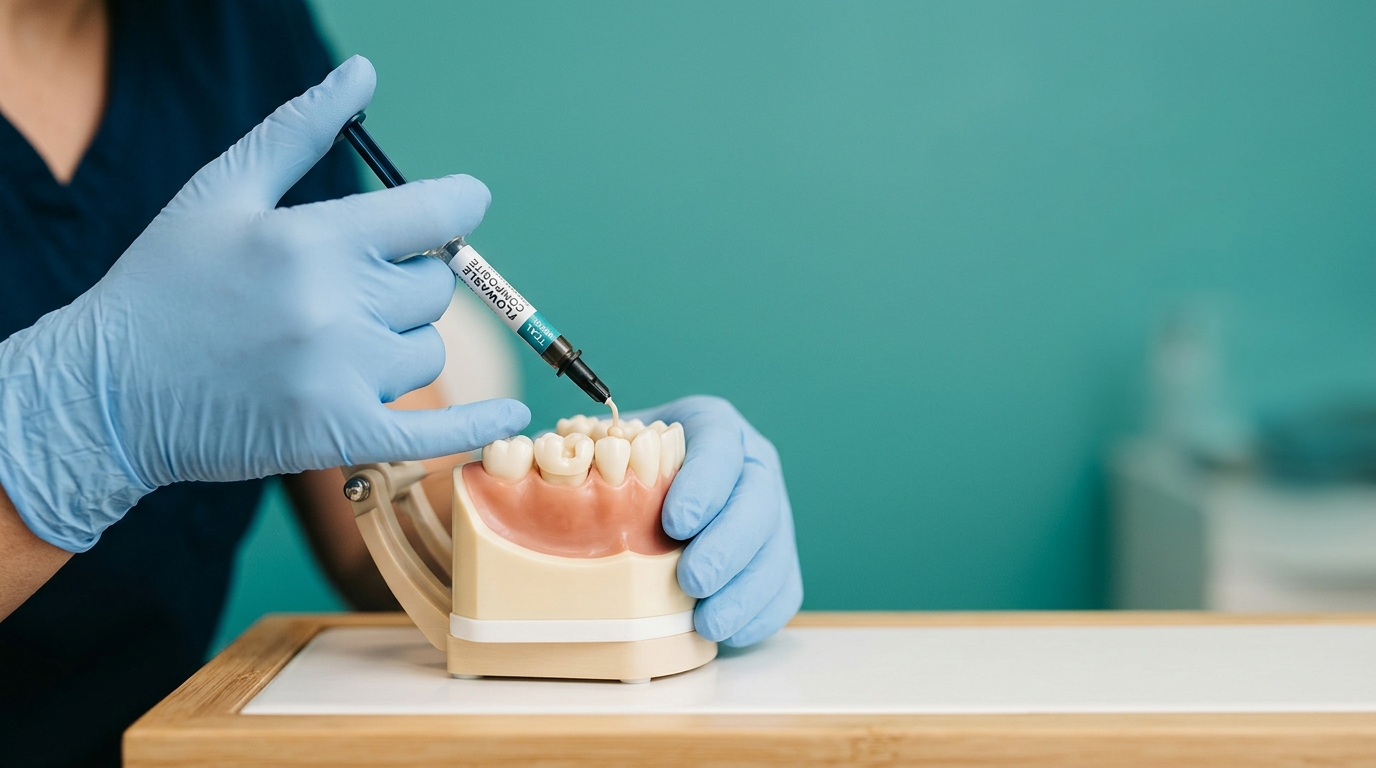
Dental bonding is one of the quickest, most affordable ways to improve your smile. It can fix chips, close small gaps, cover stains and even repair minor decay, usually in a single visit with little or no tooth preparation. Here’s how it works and when it’s recommended.
What Is Dental Bonding?
Bonding uses a tooth-colored composite resin, a durable blend of plastic and glass, that’s applied to the tooth, sculpted into shape and hardened with a special light so it bonds to the tooth. Because the resin is matched to your natural shade, the result blends in.
How the Bonding Process Works
- Consultation. We confirm that bonding is the right fit for your goals.
- Preparation. We choose a resin shade that matches your teeth and lightly roughen the tooth surface so the material adheres well.
- Application. The resin is applied, then sculpted and shaped to the look you want.
- Curing. A special light hardens the resin, usually in just a few minutes per tooth.
- Finishing. We trim, shape and polish for a natural fit and finish.
Reasons Dental Bonding May Be Recommended
Repairing Chipped or Cracked Teeth
Resin can be shaped to rebuild the tooth’s original structure, concealing minor chips and cracks.
Closing Small Gaps
Bonding can fill small spaces between teeth for a more even, symmetrical smile.
Reshaping Uneven or Misshapen Teeth
Teeth that are short, uneven or oddly shaped can be built up and reshaped for a more uniform look.
Covering Stains
For discoloration, bonding offers a quick, cost-effective way to restore a bright, natural-looking smile.
Repairing Decay
The decayed area is removed and the cavity is filled with composite resin, restoring the tooth’s structure and function.
Protecting Exposed Roots
If receding gums have exposed part of a tooth’s root, a layer of resin can shield that sensitive area, reducing discomfort and protecting it from bacteria.
Strengthening Weakened Teeth
A layer of resin can reinforce a weakened tooth surface and help prevent further damage.
Bonding vs. Veneers and Crowns
Bonding is a conservative alternative to veneers or crowns: it typically needs minimal preparation and can be finished in one appointment. For larger or more extensive damage, we may recommend a veneer or crown instead, and we’ll walk you through the options.
Is Bonding Right for You?
After your treatment, see How to Care for Your Teeth After Dental Bonding to keep your results looking great. To find out whether dental bonding can help your smile, book a consultation at our Dublin, Grove City or Gahanna office.
Ready to Get Started?
Schedule your appointment with daily DENTAL & bracesbar today.
Book an Appointment